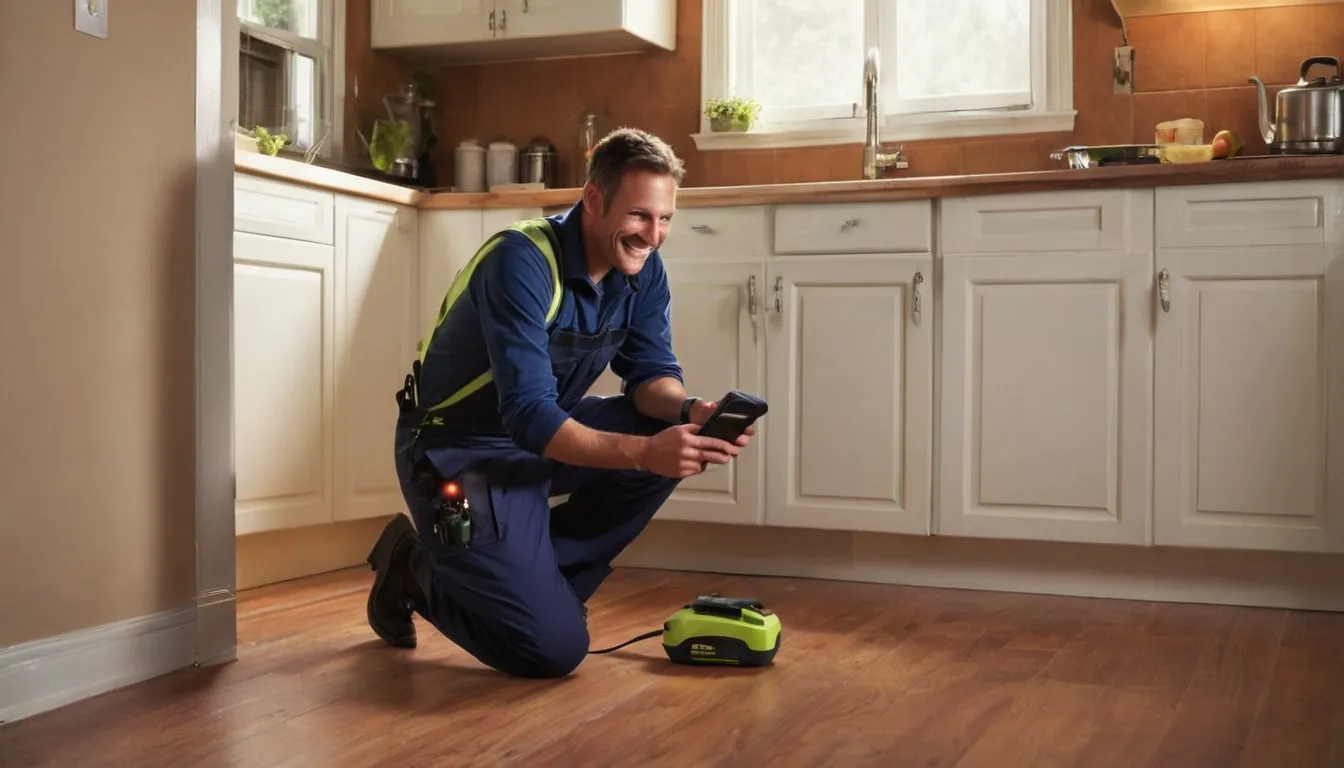
Most people think pest control means spraying everything in sight. In practice, a good plan starts with a calm look, a few photos and some notes. Legslicense Pest Control walks you through that first hour in plain steps, so you know what to do and what to leave alone.
When you are ready, Legslicense Pest Control connects you with an independent provider in our network. The provider inspects your home, finds where the pests are getting in, and treats the problem. Legslicense Pest Control is a referral service and does not do the work itself. You can request an estimate with no obligation, and you decide who to hire. Searching for an exterminator near me can feel like a gamble, and this page helps you feel prepared.
Found Pests? Slow Down First
A lot of people think a pest problem means grabbing the strongest spray and moving fast. In practice, that often scatters ants, roaches and mice into new rooms. Take a breath. Slow down first, and you will make better choices.
Request a callback to check provider availability in your area.
Your First Hour, Step by Step
Here is a calm way to handle the first hour:
- Stay out of the area if you can, and keep kids and pets away from it.
- Take photos of the pests, droppings, nests or damage. Photos before sprays.
- Write down where, when and how many.
- Seal food in tight containers and take out the trash.
- Do not mix cleaners or use outdoor products indoors.
- Then reach out to a provider.
Myth: "If I Can't See Them, They're Gone"
Many homeowners relax when the bugs vanish for a day. In practice, most pests hide in walls, under floors and behind appliances. Seeing fewer of them often means they moved, not left. Droppings, gnaw marks, shed skins and musty smells are better clues than a quick glance.
Why Acting Early Matters
Small problems grow fast. A few roaches can become a full colony. A pair of mice can turn into a crowd in a season. Early action usually means simpler treatment and less damage to insulation, wiring and stored items.
Here in the Kinnelon area, cold snowy winters push pests indoors. Spring snowmelt and freeze-thaw cycles open new cracks in stone and block foundations. Older homes with full basements give them plenty of places to hide.
What Residential Pest Control Covers
Residential pest control is more than a spray. A provider in our network usually starts with an inspection. They look for entry points, moisture, food sources and nesting spots. Then they choose a treatment, explain it, and tell you how to prepare.
Many visits include sealing small gaps, treating the outside edge of the home, and a follow-up plan. Services vary by provider, so ask what is included.
Common Pests Providers Treat
Providers commonly handle these:
- Ants, including carpenter ants that can damage wood
- Roaches, which love kitchens and damp basements
- Spiders and crickets, which come inside as the weather turns
- Mice and rats, which squeeze through very small gaps
- Bed bugs, where bed bug treatment often needs a careful, planned approach
- Termites, which have their own page on this site
If you think the problem is larger wildlife, such as animals in an attic, that is a different job with its own page.
Questions About Product Safety
People often think every treatment is harsh and unsafe. In practice, many providers use targeted products, baits and gels placed in small, hidden spots. Still, you should ask.
- What products will you use, and where?
- How long should kids and pets stay out?
- Do I need to cover dishes or counters?
A good provider answers clearly and gives you written instructions. Ask about any health concern before the visit.
One-Time Treatment or Ongoing Plan?
Some people think one visit fixes everything. Sometimes it does, especially for a small ant trail. Other pests need repeat visits to break their life cycle. Roaches and bed bugs often need follow-ups.
Ongoing plans usually cover seasonal visits and can help in older homes where pests keep returning. Ask what each option includes and compare written quotes.
Paperwork-Ready: Photos, Notes and Records
Notes help everyone. A simple record makes estimates faster and more accurate.
- Dated photos of pests and damage
- A short log of sightings, with rooms and times
- Receipts for products you already tried
- Any past treatment records for the home
Some policies may cover sudden damage, so check your policy. Providers can often help document damage for a claim. Having your notes ready makes that conversation easier.
Choosing a Pest Control Provider
Do not just pick the first name that pops up. Compare at least two written quotes. Ask whether the provider is licensed in your state, and ask for proof. Find out what the treatment covers, how many visits it includes, and what happens if pests come back.
Be careful with anyone who pushes a big contract before looking at your home. Legslicense Pest Control does not do the work. The provider you choose does, and the agreement is between you and them.
Helping Treatment Work
You play a part too. Clear clutter along walls, wash and dry laundry as directed, and move furniture if asked. Fix leaky pipes and keep basements dry. Seal gaps around pipes and doors, and store pet food in sealed bins.
Follow the provider's instructions, even when it feels like extra work. It really does help.
Ready for the Next Step?
When your photos and notes are ready, request an estimate. There is no obligation, and you choose who to hire.
What's Included
Home Inspection
A provider checks rooms, basements, attics and the outside edge to find where pests hide and enter.
Targeted Treatment
Baits, gels or sprays placed where pests travel, chosen to fit the pest and your home.
Entry Sealing
Small gaps around pipes, doors and foundations can be sealed to help keep pests from returning.
Follow-Up Visits
Many pests need repeat checks, so ask what follow-up visits are part of your plan.
Typical Pest Control Costs
Prices vary by pest, home size and how long the problem has been there. These are typical U.S. ranges only. Always ask for a written quote before work begins.
| Service | Typical range | Notes |
|---|---|---|
| One-time general treatment | $100 – $400 | Common for small ant or spider problems |
| Ant treatment | $150 – $500 | Carpenter ants can cost more |
| Roach treatment | $150 – $600 | Often needs follow-up visits |
| Quarterly maintenance plan | $75 – $200 per visit | Seasonal visits, often in older homes |
| Bed bug treatment | $300 – $3,000 | Depends on rooms and method |
| Annual protection plan | $300 – $800 | Terms and coverage vary by provider |
How It Works
Slow Down First
Stay calm, keep kids and pets away, and hold off on sprays or traps.
Photos and Notes
Capture the pests, signs and damage, then jot down where and when.
Reach Out
Request a callback to check availability or use the request form.
Compare and Choose
Review written quotes from providers, then pick the one that fits.
Why Call Legslicense Pest Control
Plain Guidance
Simple steps and honest myth-busting, so you know what to do before anyone arrives.
Local Providers
Independent providers who know regional homes, weather and common pests.
Organized Records
Photos and notes help you get clearer estimates and prepare for any insurance conversation.
No Obligation
Request an estimate and decide for yourself. You choose the provider.
Other Services
Need pest control help in Kinnelon?
Send a quick request or reach out by email at contact@legslicense.garden. Tell us what you found, and we will point you toward a local provider in our network.
Pest Control Help FAQ
Should I spray before the pest control provider arrives?
Usually no. Over-the-counter sprays can scatter pests and make them harder to treat. Take photos, write notes, clean up food, and let the provider see the problem as it is.
How do I find an exterminator near me I can trust?
Ask for written quotes from at least two providers. Check that they are licensed in your state, ask what is included, and be wary of pressure to sign a contract right away.
Will homeowners insurance cover pest damage?
Often not, since many policies exclude ongoing pest issues. Some policies may cover sudden damage, so check yours. Providers can often help document damage, and photos and notes make any claim conversation easier.
Reach a local provider
Send a quick request or reach out by email at contact@legslicense.garden. Tell us what you found, and we will point you toward a local provider in our network.
No obligation