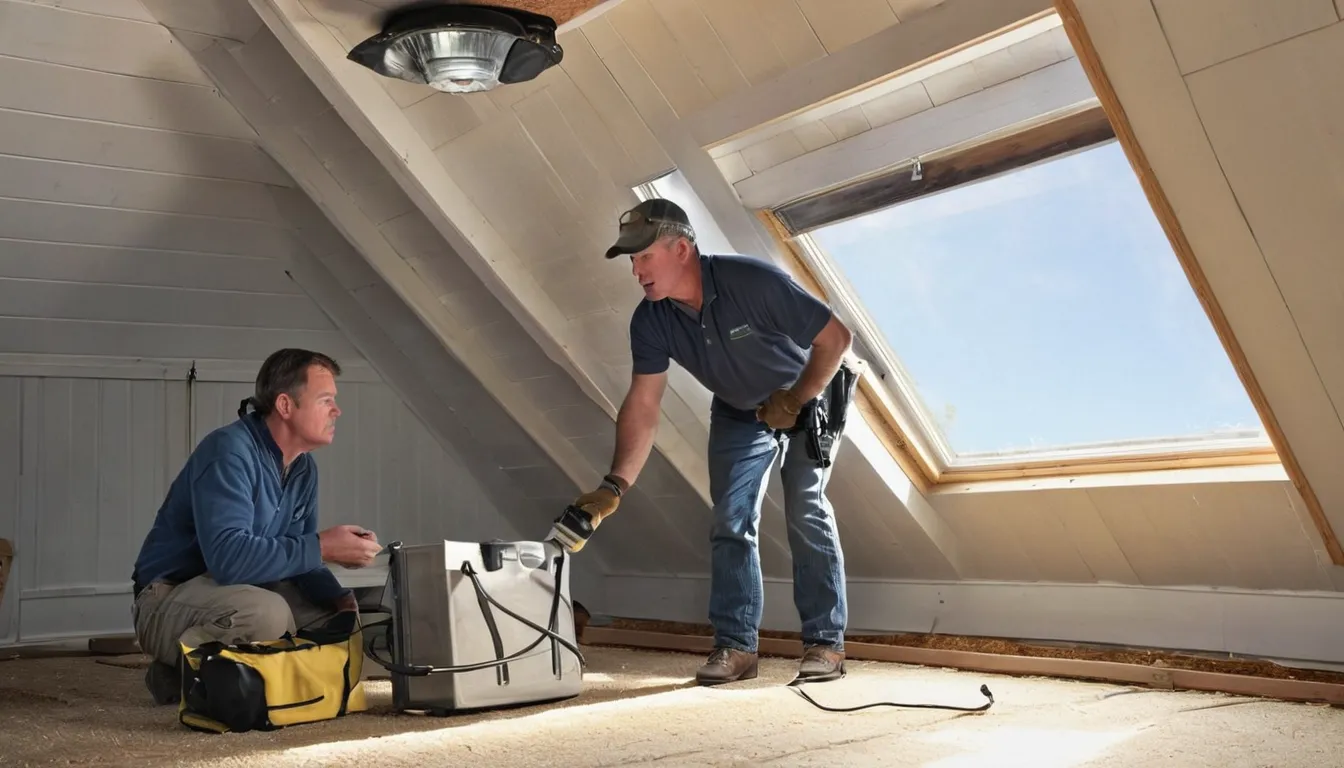
A lot of homeowners think noises in the ceiling will fade by themselves. In practice, mice, rats, squirrels and raccoons tend to settle in deeper once they find warmth and food. The good news is that you do not have to solve it alone.
Legslicense Pest Control is a referral service. We do not trap, seal or remove anything. We connect homeowners in Kinnelon and the Kinnelon area with independent providers who inspect, handle the animals and repair entry points. This page walks you through the first hour, what to photograph, what removal usually involves and what to ask before you hire.
Animals in the Attic or Walls? Start Here
Many people believe scratching overhead will pass on its own. It usually does not. Slow down first, then follow the steps below. They work whether you have mice, rats, squirrels, bats or a raccoon.
Your First Hour: Stay Calm, Stay Back
Do not open the attic hatch and go hunting. Do not poke at walls or block holes in a rush. A cornered animal can bite or scratch, and sealing it inside makes things worse.
- Keep kids and pets away from the area.
- Close the door to the room if you can.
- Note the time and what you hear.
- Wash your hands after touching anything near droppings.
Myth: "It's Just One Mouse"
One mouse is rarely one mouse. Rodents breed fast, so a single sighting often means a nest is already nearby. Seeing one in daylight can mean the nest is crowded.
Why Waiting Costs You
Chewed wires, soaked insulation and droppings spread the longer animals stay. Cold weather pushes more of them indoors, so a small issue can grow quickly. Early action usually means a smaller job.
Signs You Are Not Imagining It
Look and listen for clues:
- Scratching, thumping or rolling sounds, often at dusk or dawn
- Droppings along walls, in drawers or on attic insulation
- Greasy rub marks near gaps
- Gnawed wood, wires or food packaging
- Musty or sharp smells
- Stained ceiling spots or torn insulation
Which Animals Providers Usually Handle
Providers in our network commonly deal with mice, rats, squirrels, chipmunks, raccoons, opossums, skunks and bats. Each one needs a different approach. Bats, for example, often have special rules. A quick description of the sounds and timing helps a provider guess what you have before arriving.
Myth: Mothballs and Gadgets Will Fix It
Mothballs are not made for this and can be harmful indoors. Plug-in sound devices rarely clear a nest. Poison can also leave animals dying inside a wall, which brings smell and flies. Most homeowners are better off waiting for a professional plan.
Photos Before You Poke Around
Take wide shots and close-ups of droppings, chew marks, stains and any outside holes. Keep your distance and use zoom. Photos before sprays or traps show a provider what the problem looked like on day one.
Notes Help Everyone
Write down when the noises started, what time they peak and where they seem loudest. Add any damage you spot. Short, dated notes make estimates more accurate and are handy later.
How Removal Usually Works
A provider starts with an inspection of the attic, crawl space, basement and roofline. Then they explain what they found and what they suggest. Many plans include these parts:
- Trapping or one-way exits, depending on the animal
- Sealing gaps and entry points
- Cleanup of droppings and soiled insulation
- A follow-up visit to confirm activity has stopped
The order matters. Sealing too early can trap animals inside.
Humane Handling and Local Rules
Rules on trapping, relocating and protected species vary by state and town. Some animals cannot be moved or harmed at certain times of year. A reputable provider knows the local rules and explains them in plain words. Ask how they handle animals and what happens to them.
Babies in the Nest
Spring and early summer are common times for young animals. Removing a mother and leaving babies behind is a real risk. Tell the provider if you hear squeaking or chirping. They can plan around it.
Choosing a Removal Provider
Before you agree, ask:
- Is the provider licensed where required, and can they show it?
- Do they carry insurance?
- Is the quote written and itemized?
- Does repair and sealing come with the work, or cost extra?
- What follow-up is included?
Be careful with anyone who offers only poison or refuses to explain the plan.
Insurance and Paperwork
Some policies may cover sudden damage, but many exclude long-term pest problems. Check your policy. Providers can often help document damage for a claim. Keep your photos, notes, quotes and invoices together in one folder.
Keeping Animals Out Afterward
Exclusion is the long-term fix. Common steps include screening vents, repairing fascia and soffits, capping chimneys and closing small gaps around pipes. Trim branches away from the roof. Store food and birdseed in sealed containers. A good residential pest control plan often pairs animal exclusion with regular checks.
Older Homes and Cold Climates
Older houses with stone or block foundations and full basements have many tiny gaps. Freeze-thaw cycles open new ones every year. Snowmelt and coastal storms can also loosen vents and flashing. A fall check before cold weather is a smart habit.
Not Sure It's an Animal?
Searching exterminator near me can bring up many options, and some jobs are not wildlife at all. Insects such as bed bugs need bed bug treatment, which is a different service. Describe what you see, and a provider can tell you whether wildlife removal is the right fit.
What's Included
Inspection of Entry Points
A provider checks the attic, roofline, foundation and basement to find how animals are getting in.
Humane Removal
Trapping or exclusion methods chosen for the animal and local rules.
Sealing and Repairs
Gaps, vents and openings are closed to help stop a repeat visit.
Cleanup and Follow-Up
Droppings and soiled insulation may be cleaned, with a recheck to confirm quiet.
Typical Rodent and Wildlife Removal Costs
Prices vary by animal, home size, how hard the entry points are to reach and your region. These are typical U.S. ranges only. Always get a written quote before work starts.
| Item | Typical range | Notes |
|---|---|---|
| Inspection | $75 – $300 | Some providers apply it to the job |
| Mouse or rat treatment | $200 – $700 | Often includes follow-up visits |
| Squirrel or raccoon removal | $300 – $1,000 | Depends on trapping and number of animals |
| Exclusion and sealing | $300 – $2,500 | Rises with roofline height and gaps |
| Droppings cleanup | $500 – $4,000 | Larger attics cost more |
| Insulation replacement | $1,500 – $6,000 | Only if heavily soiled |
How It Works
Stay Back and Observe
Keep kids and pets away, note what you hear and avoid poking at walls or blocking holes.
Photograph and Write Notes
Capture droppings, damage and outside openings from a safe distance, with dates and times.
Call or Request an Estimate
Request a callback to check provider availability, or use the request form.
Compare Written Quotes and Choose
Review the plan, repairs and follow-up, then pick the provider that fits your home.
Why Call Legslicense Pest Control
A Calm Plan to Follow
Clear first-hour steps help you avoid rushed moves that can make things worse.
Myths Cleared Up
Plain answers on gadgets, mothballs and poison help you skip methods that rarely work.
Records Ready
Photos and notes make estimates clearer and help if you talk with your insurer.
Independent Providers
Local providers do the inspection and removal, and you decide with no obligation.
Other Services
Need rodent and wildlife removal in Kinnelon?
Send a quick request or reach out by email at contact@legslicense.garden. Tell us what you found, and we will point you toward a local provider in our network.
Rodent and Wildlife Removal FAQ
Should I try to remove animals from my attic myself?
It is usually wiser not to. Cornered animals can bite, and sealing holes too soon can trap them inside. Take photos, keep your distance and ask a local provider for an inspection and plan.
How long does wildlife removal usually take?
It depends on the animal and the home. Mice may take a few visits, while raccoons or squirrels can take several days of trapping or exclusion. Many providers can respond quickly, but ask for a timeline in your quote.
Does homeowners insurance cover rodent or wildlife damage?
Some policies may cover sudden damage, but many exclude ongoing pest problems. Check your policy and talk with your insurer. Providers can often help document damage, so keep photos, notes and invoices together.
Reach a local provider
Send a quick request or reach out by email at contact@legslicense.garden. Tell us what you found, and we will point you toward a local provider in our network.
No obligation